Falls in the bathroom are the #1 cause of home injuries in the U.S., and most of them are completely preventable. ADA-compliant bathroom plumbing isn’t just for commercial buildings or wheelchair users; it’s a smart, safe design for everyone in your home.
California homeowners are remodeling smarter these days. Whether you’re planning ahead for aging in place, making space more accessible for a family member, or simply upgrading a dated bathroom, the right plumbing upgrades can make all the difference. Here’s what you actually need to know to protect yourself and those who come to your home.
The Quick-and-Dirty Breakdown
- ADA toilet height (17″–19″) reduces strain and fall risk, plus it’s an easy swap.
- Grab bars need proper wall backing, and this is not a weekend DIY project.
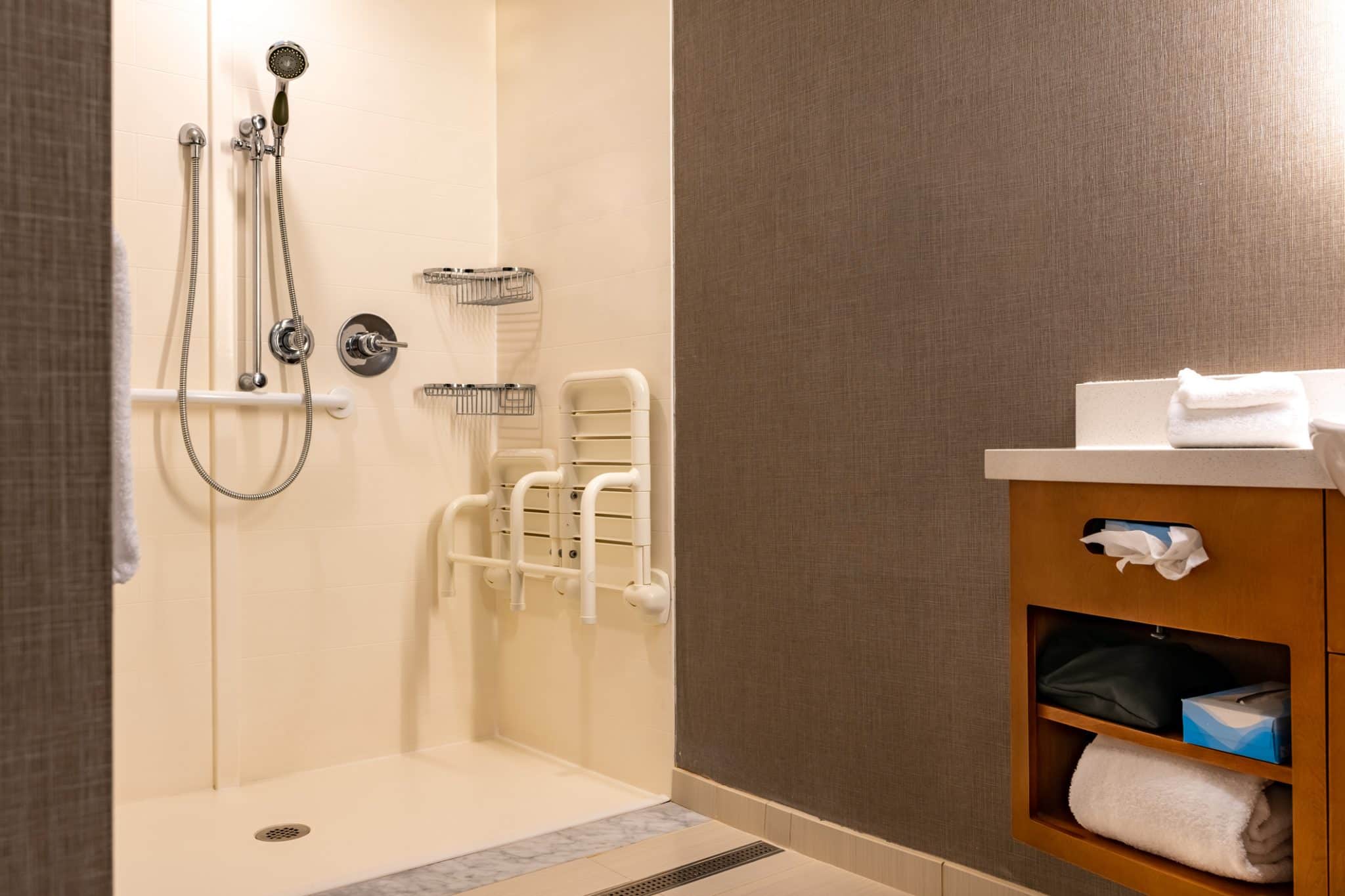
- Roll-in showers require specific drain placement, floor slope, and valve height to meet ADA standards.
- Accessible sinks max out at 34″ height with knee clearance and insulated pipes underneath.
- Hiring a licensed plumber ensures your remodel meets California code and won’t come back to bite you.
What Does “ADA-Compliant” Actually Mean for Your Bathroom?
The Americans with Disabilities Act sets federal accessibility standards, but here’s what surprises most homeowners: ADA compliance is not legally required for private residences. You’re choosing to adopt these standards because they’re safer, smarter, and honestly, more comfortable for everyone.
In California, any permitted bathroom remodel must meet the California Building Code, which closely mirrors ADA guidelines. San Francisco, in particular, has strict permitting requirements, so if you’re doing more than swapping a faucet, pull the permit. It protects your home’s value and keeps your project above board.
ADA Toilet Height: A Small Change with a Big Impact
Standard toilets sit at around 15 inches. ADA-compliant toilets, sometimes called “comfort height”, sit at 17 to 19 inches, closer to the height of a standard chair.
That 2–4 inches matters enormously for seniors, anyone recovering from surgery, or people with knee and hip issues. It also happens to be more comfortable for taller folks in general. It’s one of the easiest, most impactful handicap plumbing upgrades you can make. A licensed plumber can handle the full toilet swap and installation in a single visit.
Pro Tip: Pair a comfort-height toilet with a bidet seat for the ultimate accessible (and hands-free) bathroom upgrade.
Grab Bar Installation: This Is Not a “Two Screws and Done” Job
Grab bars save lives. The CDC reports that 235,000 people visit the ER every year due to bathroom injuries, and grab bars are one of the most effective preventive tools available.
But here’s where people go wrong: grab bars must be anchored into wall studs or solid blocking. A bar screwed only into drywall will pull right out of the wall under pressure, i.e., exactly when you need it most. Proper installation means a plumber or contractor opens the wall, installs blocking, and mounts the bar to hold 250+ lbs.
Placement matters too:
- Next to the toilet: 33″–36″ from the floor, on the side wall
- Inside the shower: Horizontal bar at 33″–36″, angled bar for entry/exit
- Near the tub: Along the long wall and at the entry point
Roll-In Showers: The Gold Standard for Accessible Bathing
If you’re doing a full ADA bathroom remodel, a roll-in shower is the way to go. No curb, no threshold, just a seamless, curbless entry that works for wheelchairs, walkers, and anyone who doesn’t feel like stepping over a ledge at 6 a.m.
The plumbing side of this is where it gets technical. Curbless showers require a precisely sloped floor (typically ¼” per foot toward the drain) and strategic drain placement to prevent water from migrating onto the bathroom floor. Shower controls must be mounted between 38″ and 48″ from the floor, and a handheld showerhead on an adjustable slide bar is required. This is a job for a licensed remodeling plumber, not some random YouTube tutorial.
Accessible Sinks: Height, Clearance, and Faucets That Actually Work
ADA-compliant sinks max out at 34 inches from the floor, making them lower than a standard vanity. Underneath, there needs to be at least 27 inches of knee clearance so a wheelchair user can pull forward comfortably.
Here’s the detail most people miss: the pipes under an accessible sink must be insulated or covered. Hot pipes at knee level are a burn hazard for anyone with limited sensation. On the faucet side, ditch the knobs. Lever-style handles or touchless sensor faucets are ADA-friendly and, frankly, easier for everyone. George Salet’s team handles both sink plumbing and faucet installation as part of a complete accessible bathroom build-out.
Don’t Skip These: Extra ADA Plumbing Upgrades Worth Considering
A few more upgrades that belong on your radar:
- Thermostatic/anti-scald valves: Limit water temperature to 120°F. Required in many California remodels and a genuine safety upgrade. The CPSC recommends setting water heaters no higher than 120°F to prevent scalds.
- Comfort-height vanities: Matching the sink height to the user matters as much as the sink itself.
- Wider rough-in plumbing: If you’re already opening walls, plan for a 36″–60″ doorway clearance to accommodate mobility aids.
Pro Tip: Going all-in on an ADA remodel? Do the rough-in plumbing for future needs now, even if you don’t install every fixture today. It’s far cheaper than reopening walls later.
The Bottom Line on ADA Bathroom Plumbing
Safe, accessible bathrooms are a smart investment in your home and the people living in it. The right plumbing upgrades (done correctly, by a licensed pro) can prevent serious injuries, increase your home’s resale value, and make daily life genuinely easier. Cutting corners on installation isn’t worth it, especially when the grab bar you skimped on is the one that fails.
Ready to Make Your Bathroom Safer? Talk to San Francisco’s Accessible Bathroom Plumbing Pros
Whether you need a single comfort-height toilet swap or a full ADA bathroom remodel, George Salet Plumbing has been tackling accessible plumbing projects across San Francisco and the Peninsula since 1979. No guesswork, no code violations, just skilled, honest work with a free estimate upfront.
Give us a call or book your free estimate online, and we’ll take it from there.